FoodCourt Called Itself Profitable. Then It Couldn't Pay Its Cooks.
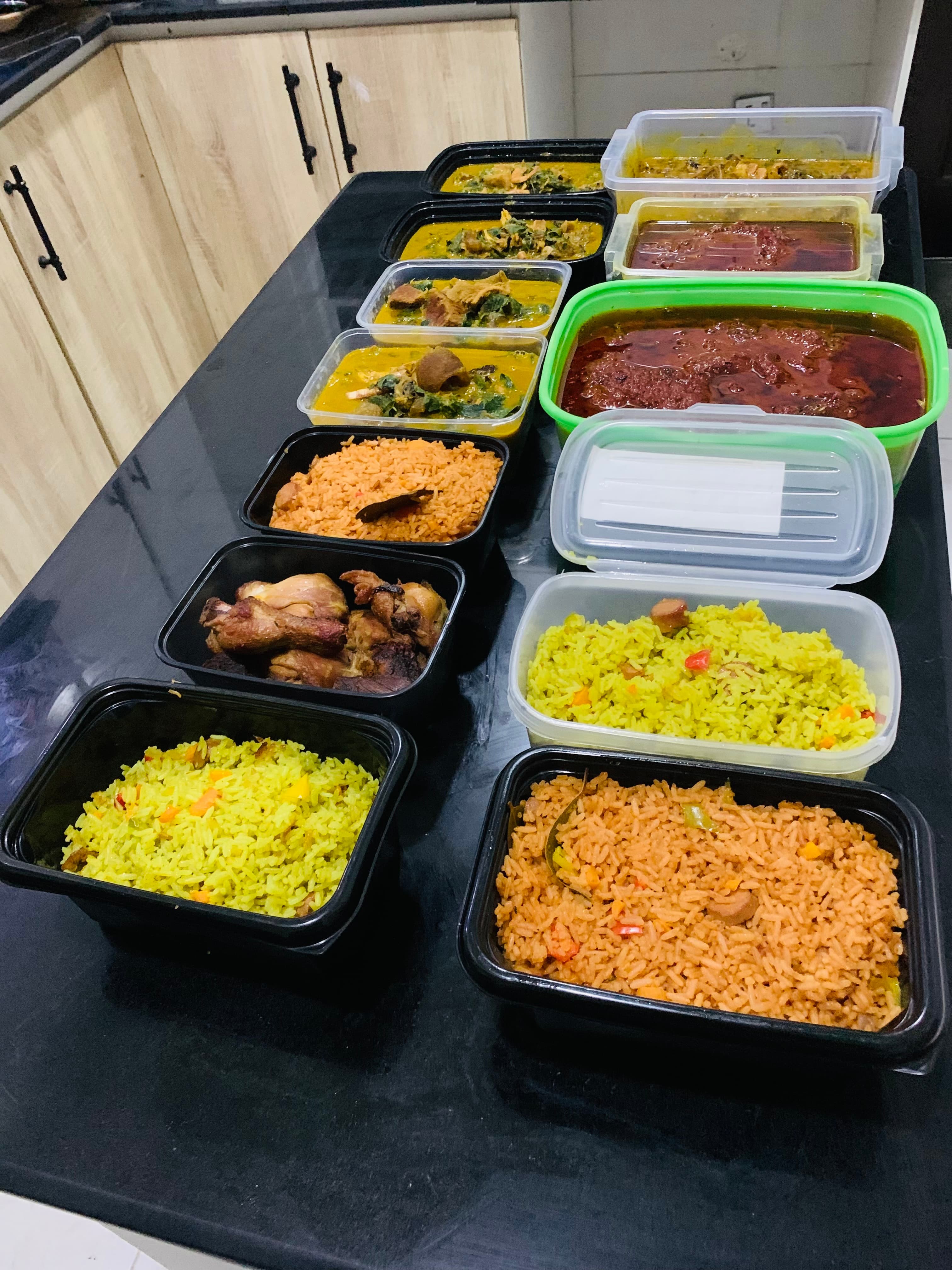
The Y Combinator-backed Nigerian cloud kitchen paused all operations after months of unpaid wages and vendor debt, exposing a gap between its public growth story and its cash position.
Twelve months after Henry Nneji told his network that FoodCourt had crossed into profitability, the people who cooked his food went on strike because he had not paid them in months.
That is the contradiction sitting at the center of FoodCourt's collapse. The Y Combinator-backed Nigerian cloud kitchen startup — full name CoKitchen, trading as FoodCourt to consumers — quietly shut down every location it operated between March and April 2026, according to TechCabal, which reviewed internal messages from the company. On March 4, customers opening the app found a single line where the menu used to be: orders cannot be processed at this time. Behind that message was a staff strike at the company's Lekki branch in Lagos, where kitchen workers, delivery riders and support staff had gone unpaid for months. FoodCourt also owed money to the vendors who supplied its ingredients. By April 19, its last remaining branch — a second Lagos location — had shut its doors too, ending the company's national footprint entirely.
The timing makes the failure sting more than the number itself. As recently as the end of 2024, Nneji had publicly reported $1.7 million raised, more than a million meals delivered, and $4.3 million in annual recurring revenue — metrics he framed, in a LinkedIn post reviewed by TechCabal, as proof the company had turned a corner into profitability. Eighteen months of expansion followed: a second Lagos kitchen, then a push into Abuja, Nigeria's capital. None of it showed up as strain from the outside. It showed up first as a strike nobody was supposed to see.
Why a kitchen you never visit still needs rent money
FoodCourt's model was never a delivery marketplace like Glovo or Chowdeck, which route orders to independent restaurants and take a cut. CoKitchen cooked the food itself, under a rotating set of virtual restaurant brands, from centralized kitchens it leased and staffed directly. That structure was supposed to be the advantage — no restaurant partner to split margin with, tighter control over cost and speed. It is also why the company had nowhere to hide when cash ran short. A marketplace app can survive a bad month by simply processing fewer orders through partners who absorb their own costs. A company that owns the kitchen, the staff and the ingredients has fixed obligations whether or not a single order comes through the app. Nneji told TechCabal the funding facility the company was counting on to cover a working-capital gap 'took longer than anticipated to close' — a delay that, for a company with no revenue cushion of its own, became a payroll crisis within weeks.
The Abuja expansion compounded the exposure. Entering a new city means new leases, new hires and new supplier relationships months before the revenue from that market can offset the cost of opening it — a bet that only pays off if the capital behind it is patient. FoodCourt's capital, on the routine evidence of the strike, was not.
The lesson beyond one Lagos kitchen
FoodCourt's near-peers in African mobility and energy have leaned hard on venture debt this year — TechCabal Insights counted $614 million in debt financing across the continent in the first half of 2026 alone, nearly as much as the $818 million raised in equity. Debt can fund physical infrastructure at scale, but it also introduces something equity-only startups rarely faced: a lender with a repayment schedule that does not care whether a funding round has closed on time. FoodCourt's public narrative — growth, revenue, profitability — was true in isolation, but it said nothing about the timing mismatch between when bills came due and when new capital was expected to land. That mismatch, and not any single bad quarter, is what forced the shutdown.
Nneji says the pause is not permanent. He told TechCabal the company is restructuring rather than closing and intends to relaunch once its finances stabilize, framing the suspension as an overdue reckoning with problems that predated the strike rather than one caused by it. Whether FoodCourt returns will depend on something its 2024 update never mentioned: not how many meals it delivered, but how quickly it can convert new capital into cash on hand before the next bill comes due.
