Google and four of Africa's top VC funds open an Applied AI Lab in Accra — with frontier models on the table
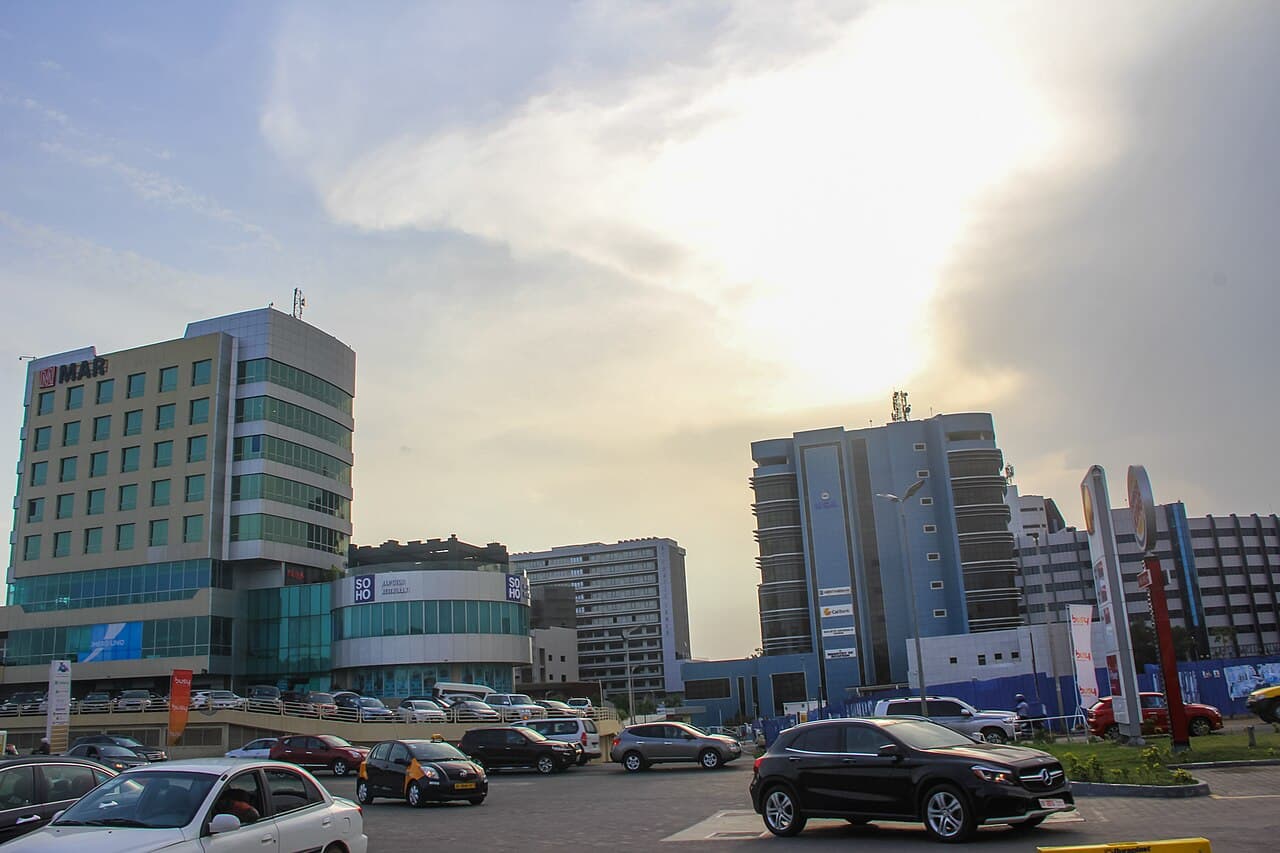
Google's AI Futures Fund has launched the Africa Applied AI Lab at the Accra AI Community Centre, with Novastar Ventures, 4DX Ventures, Norrsken22 and Ventures Platform as venture partners. Five to ten startups will get pre-release access to Gemini, Gemma and Veo — and a straight line from African research to funded, market-ready product.
Africa's AI conversation keeps circling the same frustration: the continent produces world-class researchers and resourceful founders, but the bridge between a working model and a funded, market-ready product mostly runs through London or the Bay Area. This week, one of the world's frontier AI labs — and four of Africa's best-known venture firms — set out to build that bridge in Accra.
What happened
Google unveiled the Africa Applied AI Lab on Wednesday at its Cloud Summit in South Africa, TechCabal reported. The programme will run from the Accra AI Community Centre (AICC) in Ghana, backed by Google's AI Futures Fund and supported hands-on by Google DeepMind and Google Research. Four venture firms have signed on as partners: Nairobi-based Novastar Ventures, 4DX Ventures, Norrsken22 and Ventures Platform. Their job, according to the programme's own materials, is to source founders, sharpen go-to-market plans and — where the fit is right — invest.
Applications opened on July 1 and close on August 31. A first cohort of five to ten startups and researchers will be announced in September, followed by a co-development period running from mid-September to early December and a product demo day at the AICC in Accra.
What founders actually get
The headline benefit is early access to Google's frontier models — Gemini, Gemma and Veo — before general release, letting teams build and test commercial applications against capabilities the wider market has not seen. Around that sit technical mentorship from Google Research and Google's global teams, cloud credits, go-to-market support from the venture partners, and potential funding from both the AI Futures Fund and the VCs. Participation itself takes no equity. The programme accepts companies from pre-seed to Series C+, with preference for teams that already have funding and commercial traction — and it carries one notable condition: products must make material (though non-exclusive) use of Google's AI models.
Why it matters
The venture partners are not window dressing. Novastar closed its $147 million Africa People and Planet Fund III in March — roughly 40% larger than its previous fund — so the capital sitting behind this pipeline is fresh, as Disrupt Africa and TechCabal have reported. Novastar co-founder Steve Beck framed the thesis bluntly: "Entrepreneurs there are using AI not merely for productivity gains or entertainment — they are solving fundamental problems for everyday people."
Just as telling is the geography. By anchoring the lab in Accra rather than the usual big-four markets of Nigeria, Kenya, South Africa and Egypt, the programme widens the map of where African AI companies are expected to come from — and gives Ghana's growing research community, which Google has cultivated since opening its Accra AI research centre, a commercial outlet.
The exponential-growth lens
Our read: this is the cloud playbook, run again — build the on-ramp early, and the ecosystem's next compounding wave builds on your stack. For Google, every lab graduate is a future heavy user of its models and cloud. For founders, the leverage is real but comes with gravity: pre-release model access, frontier-lab mentorship and warm paths to four funds compress what used to be years of cold outreach into a fifteen-week sprint — yet the material-use requirement means the smart move is to bank the distribution and capital while keeping the underlying architecture portable. The compounding effect to watch is on the investor side: when four active funds spend a quarter inside a frontier lab's product pipeline, their next fifty AI investment decisions get sharper, whether or not they write cheques into this cohort.
What's next
Applications close August 31; the cohort lands in September; demo day comes in early December. Watch three things: which of the programme's five focus areas — work, knowledge, software development, creativity and entertainment — the cohort clusters in; whether the venture partners convert mentorship into term sheets; and whether rival labs answer with African programmes of their own. A continent whose AI story has lately been told in data-centre and cloud-region headlines now has something rarer: a formal pipeline from African research bench to African market. The distance from Accra to product-market fit just got shorter.