Google Picks Accra Over Nairobi and Lagos for Africa's First Applied AI Lab
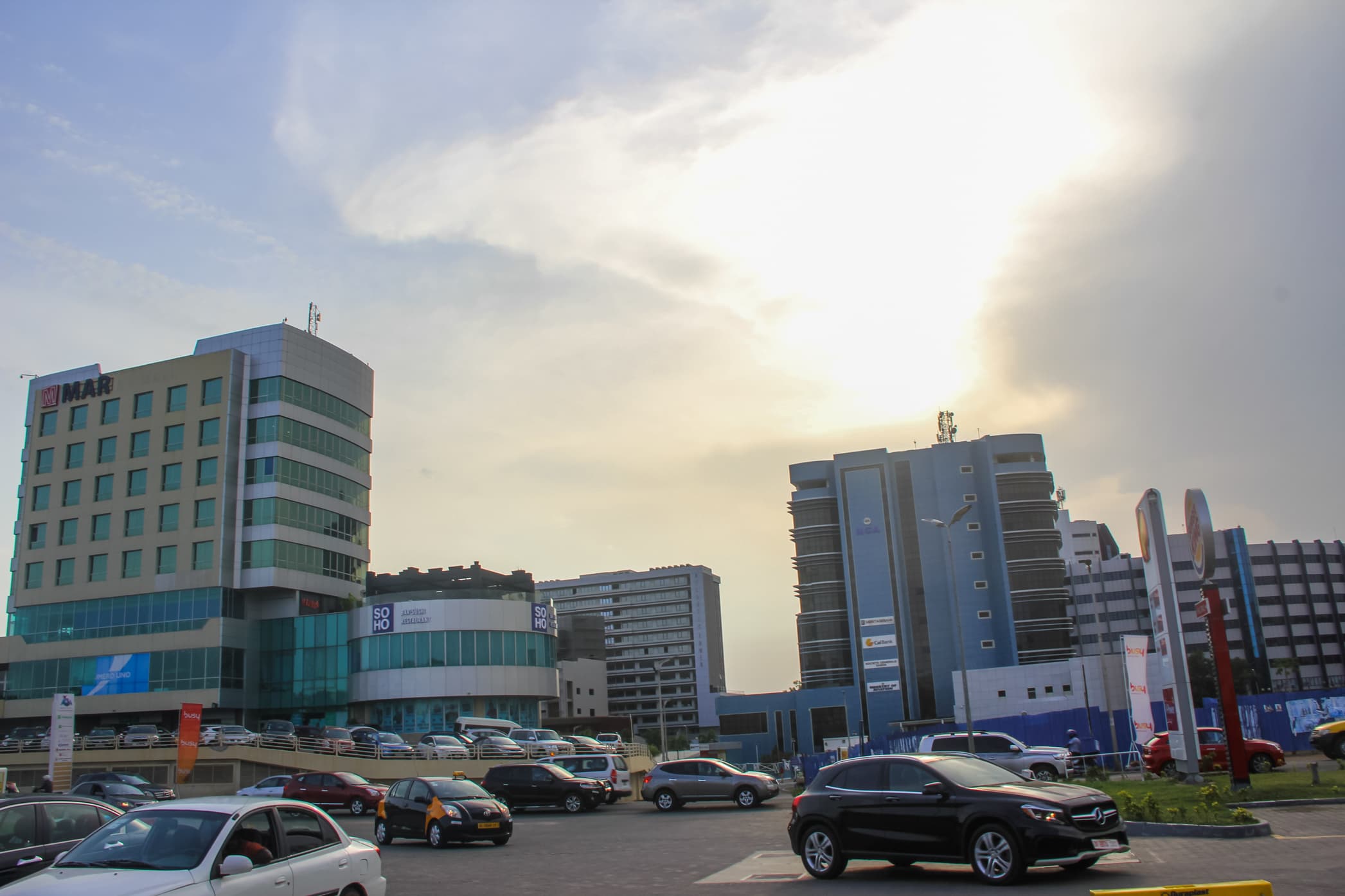
Google is putting its first African Applied AI Lab in Accra, not the usual Nairobi or Lagos hubs, pairing DeepMind researchers with local founders chasing the continent's first AI-native unicorn.
Ghana is not where the smart money expected Google to plant its flag.
When Google Cloud opened its inaugural Africa summit in Johannesburg on July 1, 2026, the marquee announcement wasn't another cloud region or a connectivity cable. It was a bet on a single city that most global AI investors still treat as a secondary market: Accra. The Applied AI Lab -- Africa's first, according to Google -- will run out of the Accra AI Community Centre (AICC), not Nairobi's Silicon Savannah or Lagos's Yaba tech corridor, the two ecosystems that have absorbed the bulk of the continent's venture capital for a decade.
The lab is a joint production. Google's AI Futures Fund and Google Research supply the technology and the researchers; four Africa-focused venture firms -- Novastar Ventures, 4DX Ventures, Norrsken22 and Ventures Platform -- supply the mentorship and the deal flow. Applications opened July 1 and close August 31, 2026. A cohort of five to ten founders and researchers will be told they've made the cut starting in September, then spend roughly three months, mid-September to early December, co-building products alongside Google engineers before a Demo Day in Accra in front of Googlers, VCs and prospective investors.
What founders actually get is unusually concrete for an accelerator: early access to Google DeepMind's Gemini, Gemma and Veo models ahead of public release, hands-on technical mentorship from Google Research staff, Google Cloud credits, go-to-market coaching, and -- for some -- a shot at equity or non-dilutive funding from the AI Futures Fund or the VC partners. Participation itself costs no equity. The one hard requirement: a startup must use Google's AI models in a way Google considers materially impactful, not merely as one tool among many.
James Manyika, Google's SVP for Research, Labs, Technology & Society, framed the ambition bluntly in the July 1 press release: the lab exists to help build "Africa's first generation of AI-native unicorn startups." Novastar co-founder Steve Beck, writing about the partnership, put the underlying thesis differently -- Africa's AI founders, he said, are "solving fundamental problems for everyday people," not chasing productivity gains or entertainment the way many Western AI startups do. Novastar's own portfolio makes the case: Penda Health uses AI-assisted diagnosis tools in its Kenyan clinics; NewGlobe applies AI to track learning outcomes across schools it operates with African governments; Agrails uses it to get smallholder farmers access to climate-risk insurance they've historically been locked out of.
Why Accra, and why now
The city choice reads as strategy, not accident. Google already runs the AICC in Accra, giving the lab a physical home and an existing community rather than a hub built from scratch. Ghana's public embrace of digital-economy ambitions has made it an easier regulatory environment to move fast in than some of its larger neighbors. And putting the lab outside Kenya and Nigeria forces a reckoning West African English-speaking founders have complained about privately for years: the venture capital and Big Tech attention that flows disproportionately to Nairobi and Lagos has left Accra's genuinely capable AI builders underfunded relative to their output.
The lab's five declared focus areas -- the future of work, knowledge, software development, creativity and entertainment -- are broad enough to admit almost any serious applied-AI product, which is the point. Google isn't prescribing verticals the way a typical government-backed accelerator would; it's betting that African founders, given the same frontier models Silicon Valley gets, will find product-market fits nobody in Mountain View would have guessed at.
The scale problem this doesn't solve
What the lab does not fix is the chronic compute and capital gap that has capped African AI ambition for years. GSMA estimates AI could add $2.9 trillion to Africa's economy by 2030 if data infrastructure, computing access and digital skills keep pace -- a conditional clause doing a lot of work. Five to ten startups getting early Gemini access is a meaningful head start for those specific teams; it is not an infrastructure fix for the thousands of founders who won't make the cohort. Google's parallel announcements at the same summit -- a new Digital Exchange Port connectivity hub in South Africa's Eastern Cape, a $1 million creative-AI education partnership with the Akuna Group, a startup accelerator opening applications July 21 -- suggest Google understands this is a multi-front problem, not a single-lab solution.
The real signal in Accra's selection is where the next round of Big Tech capital will look first. If this lab produces even one startup that reaches meaningful scale, expect Lagos and Nairobi's investors to start taking West Africa's AI builders considerably more seriously -- and expect Google to open lab number two somewhere it hasn't yet told anyone about.

