Siri's AI relaunch reaches South Africa before it reaches the EU
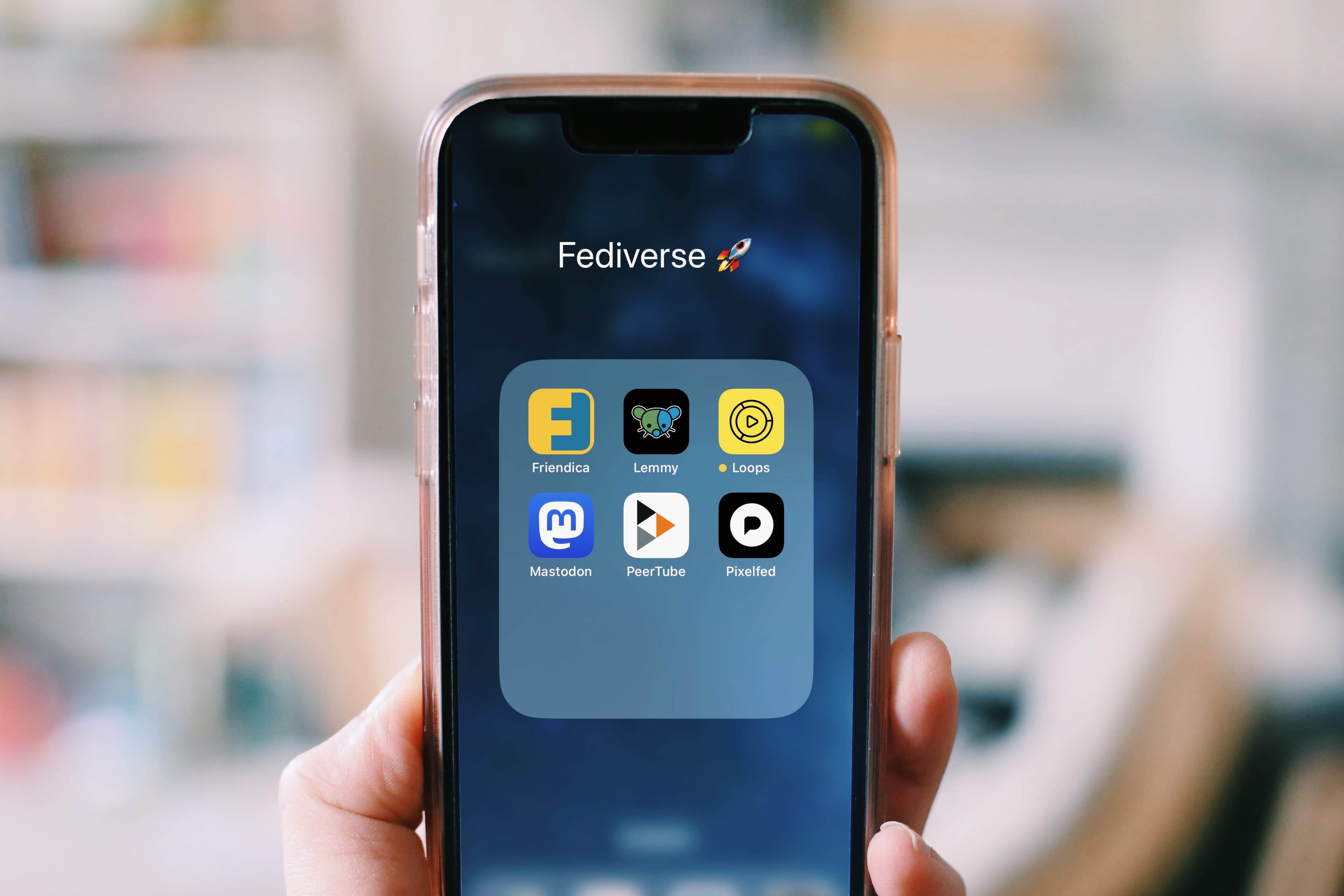
Apple's Gemini-built Siri AI went into public beta this week in eight English-speaking markets, including South Africa — while regulatory deadlock keeps it out of the European Union entirely.
On Tuesday, Apple pushed the iOS 27 public beta to anyone willing to install it — developers, reviewers, and now ordinary iPhone owners in South Africa among them. Buried inside is Siri AI, the most consequential rebuild of Apple's assistant since it launched in 2011, and for once the interesting story isn't Cupertino or London. It's Pretoria.\n\nApple's own support page lists exactly eight English variants that get Siri AI at launch: Australia, Canada, Ireland, India, New Zealand, South Africa, the United Kingdom and the United States. Kenyan technology outlet Tech-ish confirmed the same list after two weeks of hands-on testing, noting there is no English (Kenya) option, so testers elsewhere on the continent have to set their phones to US or UK English to get in the door at all. South Africa is the only African market with a locale of its own on that list — which means it is, technically, ahead of the European Union.\n\nThat is not a typo. Apple confirmed in early June that Siri AI will not ship on iPhone or iPad in the EU when iOS 27 goes stable this fall, blaming an impasse with regulators over the bloc's Digital Markets Act. Apple proposed a framework it calls a Trusted System Agent, designed to let rival assistants plug into the same iPhone-level permissions Siri gets; the European Commission rejected it, and a spokesperson told reporters in Brussels that the decision to withhold the feature was \"Apple's and Apple's only.\" Whoever is right about the DMA, the practical result is that a Berlin iPhone owner is currently locked out of a feature a Johannesburg iPhone owner can install this month.\n\nThe assistant itself is a bigger swing than the name suggests. Siri AI is not an incremental patch; it runs on a custom foundation model Google built for Apple under a partnership the two companies announced in January, reportedly worth close to a billion dollars a year and built around a Gemini model scaled past a trillion parameters. It can read a user's own mail, messages, and photos to answer questions like \"what's the door code Sarah sent me,\" reason about whatever is on screen, and carry out multi-step actions inside apps — the personal-context, on-screen-awareness and app-action triad Apple first promised, and then quietly failed to ship, back at WWDC 2024.\n\nWhy would South Africa matter here, given the iPhone's actual footprint on the continent is thin? Estimates put iPhone usage across Africa at roughly 15% of smartphones, against Samsung and the Transsion trio (Tecno, Infinix, itel) carving up most of the rest; even in South Africa, Apple's best African market, Samsung still holds roughly half the field to Apple's 17–21%. But Apple's African customers skew toward exactly the professional and developer segment Himilo Post's own readers occupy — the people whose employer pays for the phone, who build for iOS first, and who will be the first on the continent to test whether an assistant that reads your own inbox is a productivity leap or a privacy problem nobody asked for.\n\nThat is the real African-market question this beta opens, ahead of nearly everywhere else with a comparable digital-rights conversation. South Africa's POPIA data-protection law is real but younger and less tested in AI-specific disputes than the EU's DMA and GDPR regime, which is precisely why Apple could clear this market for a beta it still can't clear for Europe. If Siri AI ships smoothly here, it becomes the live case study — good or bad — that Nigerian, Kenyan and Egyptian regulators watch before their own consumers get the same access later this year. Being first, for once, comes with the bill attached.
