Spiro's $270m raise supercharges Africa's electric-motorbike revolution
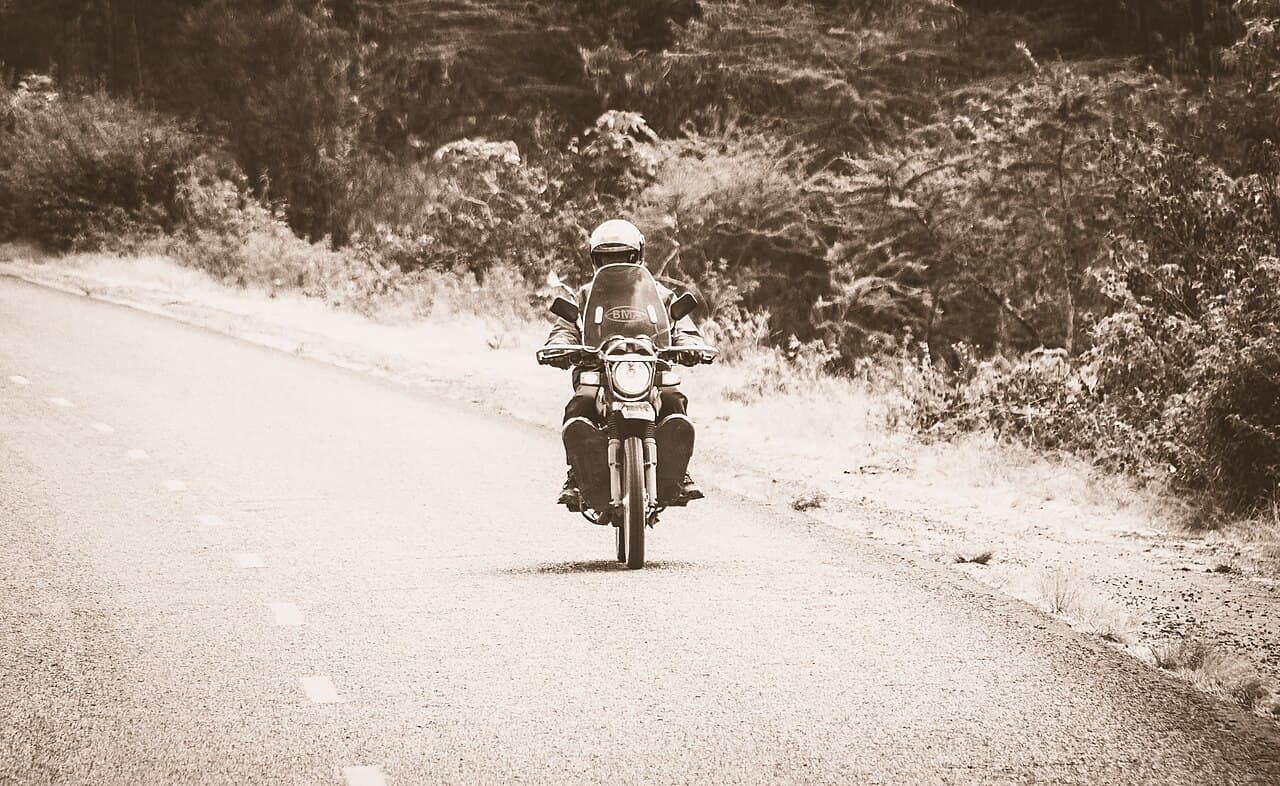
Electric-mobility company Spiro has pulled in about $270 million in fresh equity — one of 2026's largest African rounds — to scale the battery-swap networks powering the continent's two-wheelers.
Africa's electric-motorbike boom just got a serious injection of capital. Spiro, the electric-mobility company betting that the continent's tens of millions of two-wheelers will go electric, has secured roughly $270 million in fresh equity — a $215 million raise followed weeks later by an additional $55 million from Chinese investor NewTrails Capital. The deals take Spiro's total disclosed funding to approximately $557 million, putting it among the best-capitalised mobility startups on the continent.
The bet rests on a simple, very African insight: the motorbike is the workhorse of urban transport. The boda-boda in Kampala, the okada in Lagos, the moto in Cotonou — millions of riders earn their living on small petrol bikes, and they feel every swing in fuel prices directly in their pockets. Electrifying that fleet is not a climate luxury; it is an economic proposition.
Spiro's edge is the battery-swap model. Rather than asking riders to wait an hour for a charge, it lets them trade a depleted battery for a full one at a swap station in the time it takes to buy airtime. That turns range anxiety into a non-issue and, crucially, lets riders buy the bike without the battery — cutting the upfront cost that keeps EVs out of reach. The network of swap stations is the real asset, and it is exactly what nine figures of equity is meant to build out.
The exponential-growth lens is in the flywheel. More swap stations make the bikes more useful; more useful bikes put more riders on the network; more riders justify more stations. Get the loop spinning in a few dense cities and the economics compound — the same playbook mobile money used to blanket the continent a decade ago.
Execution risk is real. Battery-swap networks are capital-intensive, electricity supply is uneven, and competition for African riders is heating up. But the direction is set. With $270 million more in the tank and a continent full of petrol bikes to convert, Spiro is betting that the future of African mobility is electric, swappable, and built one station at a time.