Visa, M-Pesa and Onafriq Are Quietly Rebuilding the Pipes Under African Remittances
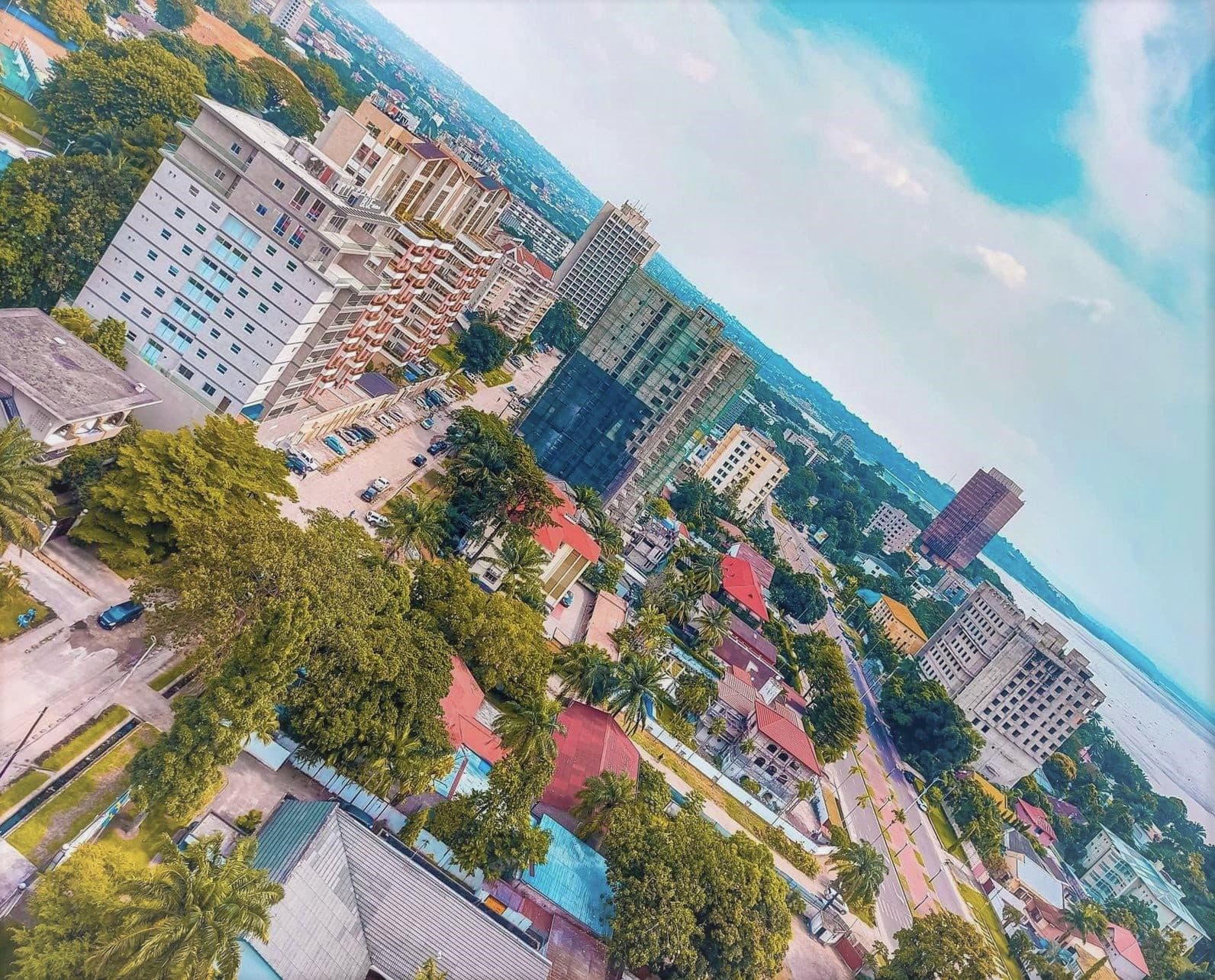
A live stablecoin settlement pilot in the DRC, launched July 6 by Visa, M-Pesa and Onafriq, aims to cut the roughly 8% average cost of cross-border African remittances by replacing correspondent-bank routing with dollar-pegged digital settlement.
Eight cents on every dollar. That is roughly what it costs, on average, to move money across an African border today — a fee that has barely moved in a decade of mobile-money growth, because the money itself still travels the old way: through a chain of correspondent banks in Europe or America before it ever reaches its destination.\n\nOn July 6, Visa, Safaricom's M-Pesa Africa and the pan-African payments network Onafriq began quietly testing a different route. Their live pilot, running in the Democratic Republic of Congo, settles cross-border mobile-money transfers using a U.S. dollar-pegged stablecoin instead of the traditional banking rails — while keeping the experience on the sending and receiving end exactly the same as it has always been.\n\nWhy the DRC, and why now\n\nThe choice of testing ground is deliberate. The DRC combines two conditions that make it an unusually clean laboratory for this kind of experiment: a formal banking penetration rate of roughly 30%, among the lowest on the continent, and a mobile-money culture that has grown explosively despite that gap. Millions of Congolese already trust a phone-based wallet with their money; what they lack is a cheap way to move that money across a border.\n\nThe pilot builds directly on groundwork Visa and Onafriq laid in September 2025, when they launched Visa Pay in the DRC — a cloud-based payments platform that, via Onafriq's API layer, let Visa cards draw from and pay into M-Pesa, Airtel Money and Orange Money wallets. That integration solved the card-to-wallet problem. The stablecoin pilot now tackles the harder one: what happens to the money once it needs to leave the country.\n\nWhat actually changes, and what doesn't\n\nFor the person on the ground, nothing looks different. An entrepreneur in Kinshasa or a relative sending money home still tops up an ordinary M-Pesa wallet and moves funds through the familiar menu, in local currency. The reengineering happens entirely behind that interface: instead of a payment instruction being passed hand to hand through multiple banks — each one taking a cut, each one adding hours or days — the settlement itself clears on blockchain infrastructure, denominated in a stablecoin pegged to the dollar, in something closer to real time.\n\nThat distinction matters more than it sounds. Stablecoins have spent the last few years mostly as a trading instrument for crypto-native users. This pilot is different in kind: it treats the stablecoin purely as settlement plumbing, invisible to the retail customer, which is precisely the design choice that has made mobile money itself succeed in Africa — complexity absorbed by the infrastructure, not pushed onto the user.\n\nOnafriq's scale is what makes the experiment more than a niche trial. The company's network links upwards of a billion mobile-money wallets and hundreds of millions of bank accounts across more than 40 African markets, giving Visa and M-Pesa a ready-made rail to extend the pilot outward if the Congo trial holds up.\n\nThe number that should worry the correspondent-banking system\n\nAn 8% remittance fee is not a rounding error for the sender. On a $200 transfer — a realistic monthly remittance for a diaspora worker supporting family at home — that is $16 lost before the money even starts working for the household that receives it. Multiply that friction across the scale of Africa's remittance economy, which the World Bank and African development institutions have repeatedly flagged as one of the continent's most expensive money corridors globally, and the case for a cheaper settlement layer stops being a technology curiosity and becomes an economic one.\n\nThis is also where the growth logic gets interesting for anyone watching African fintech rather than crypto markets specifically. The infrastructure being tested here is not another consumer app competing for the same wallet install — it is a lower layer, the kind of unglamorous plumbing upgrade that, if it works, quietly compounds through every product built on top of it: cheaper diaspora remittances, faster merchant settlement, less currency risk for small importers who currently have to pre-fund foreign accounts to trade at all.\n\nWhat to watch next\n\nSafaricom has been explicit that it sees this as one more step in turning M-Pesa from a domestic wallet into a regional financial platform — a shift already visible in its expansion into Ethiopia and its earlier blockchain partnership with a UAE-based firm earlier this year. If the DRC pilot demonstrates that a stablecoin settlement layer can hold up at real transaction volumes without breaking the retail experience, the logical next stop is Kenya itself, where M-Pesa's more than 40 million active users would turn a quiet backend experiment into the biggest test of stablecoin-powered remittances anywhere on the continent.\n\nNone of that is guaranteed. Regulatory appetite for crypto-adjacent settlement varies sharply across African central banks, and a pilot succeeding in one market says little about whether regulators elsewhere will permit the same architecture. But for now, the most important thing happening in African fintech this week isn't a funding round or a flashy app launch — it's three companies rebuilding, out of public view, the pipes that carry the continent's money across its own borders.
