Vodacom closes its $2.1bn grab for Safaricom — and Africa's biggest mobile-money engine now answers to Johannesburg
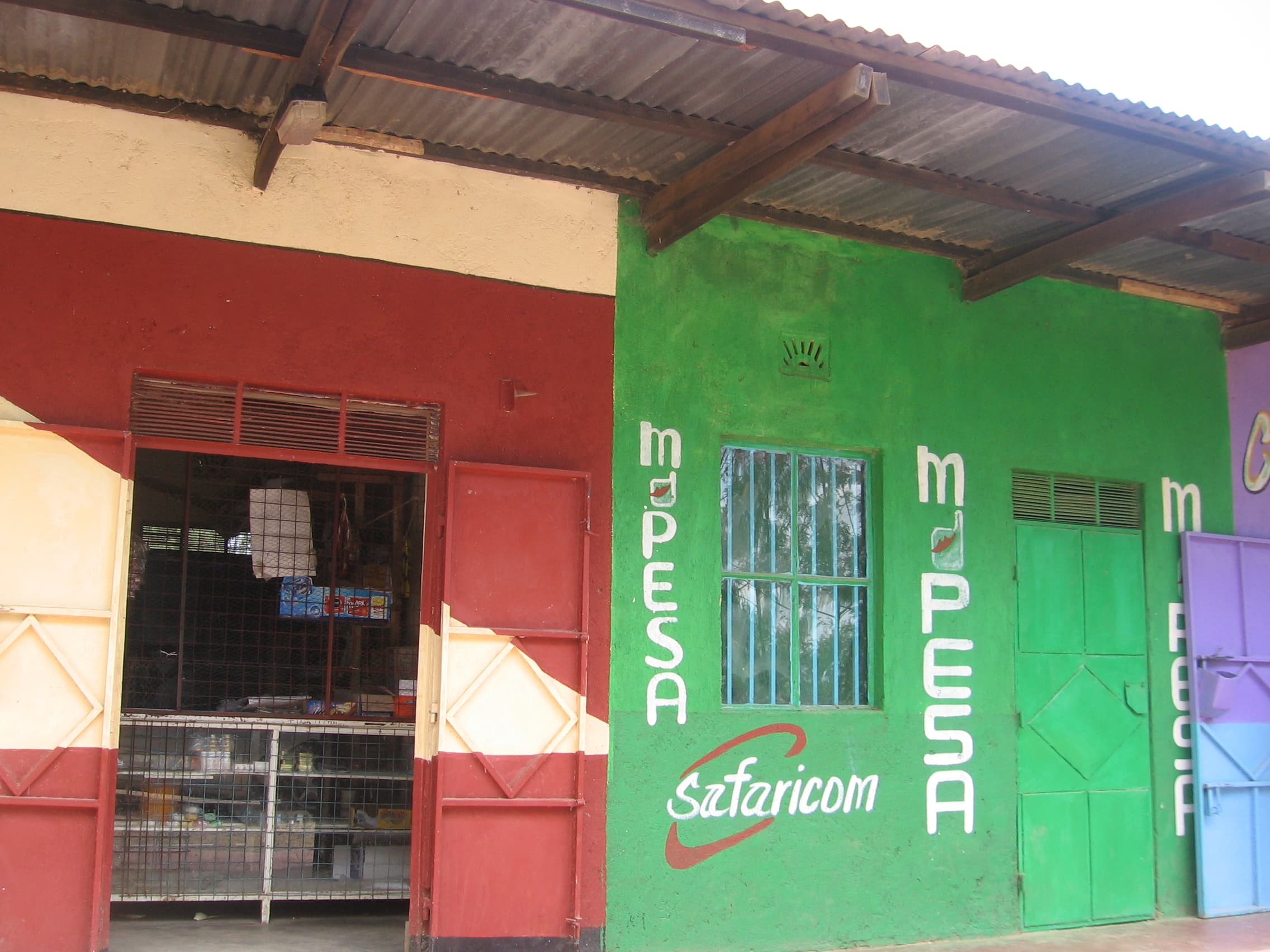
Vodacom has completed the purchase that lifts it to 55% of Safaricom, folding M-Pesa and East Africa's most valuable company into its accounts. The real prize isn't the network — it's control of the continent's largest daily payments rail.
For eighteen years Safaricom answered, ultimately, to Nairobi. As of 30 June 2026, it answers to Johannesburg. Vodacom Group has closed its acquisition of an additional 20% effective stake in Safaricom, lifting its holding from roughly 35% to about 55% and handing South Africa's largest operator outright control of the most valuable company in East Africa — and, with it, the busiest mobile-money system on the continent.
The transaction is valued at $2.1 billion (R35 billion). Vodacom bought a 15% stake directly from the Government of Kenya and an effective further 5% from its own parent, Vodafone Group, both priced at KES34 per share, according to Vodacom's completion statement reported by tech.africa and South Africa's TechFinancials. The closing followed a Court of Appeal stay granted on 26 June 2026 that cleared the last legal obstacle. Vodacom first announced the move in December 2025; this is the moment intention became control.
Kenya's National Treasury keeps a 20% holding and board representation, and Safaricom stays listed on the Nairobi Securities Exchange — so this is consolidation of control, not a delisting or a foreign buyout of the whole company. But the accounting shift underneath tells the real story.
From footnote to full consolidation
Until now, Safaricom sat on Vodacom's books as an "associate" — a stake big enough to matter but not big enough to absorb. Crossing 50% changes that. Under International Financial Reporting Standards, Safaricom's results now move to full consolidation, which pushes Vodacom Group's reported revenue toward R220 billion. Safaricom contributes earnings before interest, tax, depreciation and amortisation (EBITDA — a common proxy for operating cash generation) of R29 billion, against R63 billion for the wider Vodacom Group in its 2026 financial year. In plain terms, nearly a third of the group's operating profit engine now flows straight into the parent's statements rather than arriving diluted as a share of an affiliate's earnings.
That is the quiet mechanics behind a loud headline: Vodacom didn't just buy more of a good asset, it changed how much of that asset it gets to claim.
The prize is the rail, not the towers
Safaricom connects more than fifty million Kenyans, but its centre of gravity long ago shifted from voice and data to money. Fintech, led by M-Pesa, now accounts for 44% of Safaricom's revenue in Kenya. M-Pesa handles on the order of 100 million transactions a day for tens of millions of users, and it functions less like a telecom feature than like national financial plumbing — wages, school fees, market stalls, and cross-border remittances all move across it.
Controlling that rail is what makes this Africa's most consequential telecom deal of the cycle. Vodacom serves 211 million subscribers across eight African markets and has set a public target of 260 million subscribers and 120 million financial-services users by 2030. Owning M-Pesa outright — rather than sharing in it — is the fastest path to the financial-services half of that ambition. The compounding logic is straightforward: every additional country where Vodacom can port M-Pesa's playbook widens a payments network whose value grows with each new participant, and Vodacom now captures that upside directly.
Nairobi calls it confidence; the build-out bill is still open
Kenya's government framed its sell-down as a vote of confidence rather than a retreat. "Safaricom's best days are not behind it. They are ahead of it," said John Mbadi, Cabinet Secretary at the National Treasury, who has cast the sale as a way to unlock capital without raising taxes or adding debt — proceeds are earmarked to seed the country's infrastructure and sovereign wealth funds. Vodacom Group chief executive Shameel Joosub called the close "a landmark moment for Vodacom, for Safaricom, and for the communities we serve across East Africa."
The open question is what a majority-owned Safaricom does about Ethiopia. Its greenfield operation there has reached roughly 14 million customers, but the build-out is expensive and still years from the returns its Kenyan business throws off. A controlling shareholder tends to want disciplined cash, and an Ethiopian expansion tends to want patient capital. How Vodacom balances those two impulses — squeeze the mature Kenyan cash cow, or keep funding the frontier bet — will shape whether this deal reads, a few years out, as a masterstroke of continental scale or an overreach that starved the very growth market that justified the price.
