While much of Africa argues over AI sovereignty, Morocco is quietly pouring the concrete
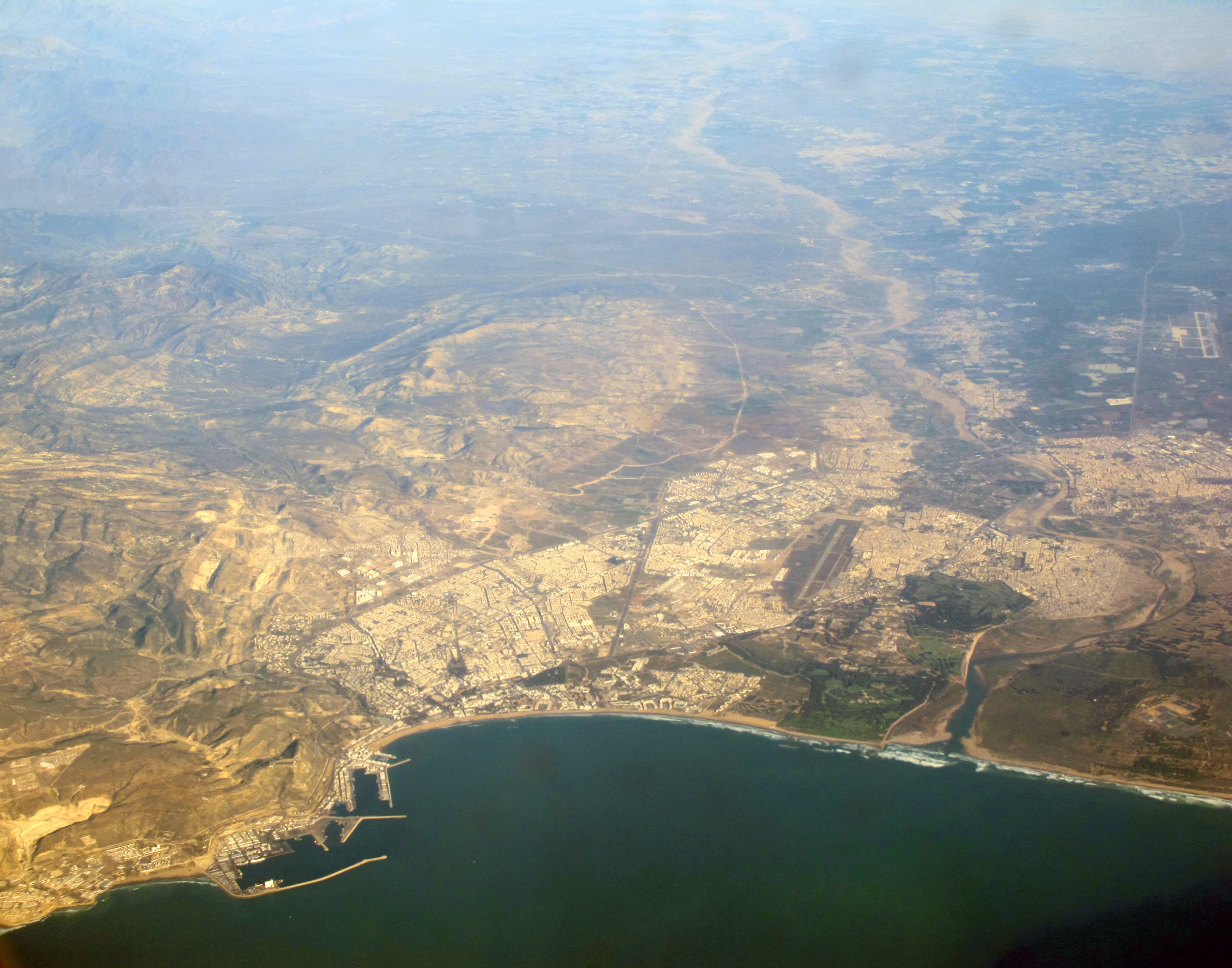
Oracle's second Moroccan R&D hub, opened in Agadir on 30 June, is one more brick in a deliberate bet: build the cloud regions, the research labs and the talent pipeline first, and let the models follow.
Most of Africa's artificial-intelligence story this year has been an argument. Nigeria, Kenya, Egypt and South Africa each published national strategies that circle the same uncomfortable admission: the continent's ambitions run on computing power, chips and cloud capacity it does not own, and largely rents from Google, Microsoft, Nvidia and Meta. It is a real debate, and an important one. But it is a debate.
Morocco has spent the year doing something less quotable. It has been pouring concrete.
On 30 June, Oracle opened its second research-and-development hub in the country, in the Atlantic coastal city of Agadir. The facility follows the R&D centre the American software giant launched in Casablanca in 2025, and it was inaugurated with the kind of state weight that signals intent: Head of Government Aziz Akhannouch presided, flanked by Amal El Fallah Seghrouchni, the minister delegate for digital transition, and Karim Zidane, the minister delegate for investment, with the U.S. ambassador to Morocco, Duke Buchan III, and Oracle executive vice-president Simon de Montfort Walker in attendance. According to Oracle, the Agadir hub will work on cloud services, AI-powered applications, data platforms and industry software, and is meant to create openings for Moroccan engineers, developers and researchers.
On its own, a second R&D office is a modest headline. What makes it worth noticing is what it sits inside.
The full stack, not the trophy
Over the past eighteen months Oracle has been assembling, piece by piece, most of the layers a country actually needs to host AI work rather than merely announce it. The Oracle Cloud Casablanca region went live earlier this year — Oracle says it was the first major hyperscaler to open a public cloud region in Morocco, in April 2026 — with a second region planned for the inland city of Settat. Now there are research hubs in two cities. Sovereign cloud capacity, applied research and a talent base are, between them, the unglamorous foundation that the frontier-model race tends to skip past.
That is the contrast worth drawing, and it is our reading rather than anyone's official line: while much of the continent frames the AI question around GPUs and foundation models — the expensive, headline-grabbing top of the stack — Morocco's visible strategy is to own the boring middle. Data that stays inside national borders. Research that produces intellectual property rather than only cost-arbitrage engineering. Ministries describe it under the banner of the Morocco Digital 2030 plan, and Seghrouchni has taken to calling the ambition "AI Made in Morocco." Akhannouch put a number on the base the country is building from: more than 148,500 jobs in the digital sector, most of them held by young, skilled workers.
Infrastructure is a slower story than a model launch. It is also a stickier one. A cloud region and a research hub do not move when the next funding cycle turns; they compound. A country that hosts other people's workloads today can pitch itself as a place to build tomorrow, and North Africa's proximity to Europe — one time zone, deep undersea cable links, an established offshoring industry — makes that pitch to European and Middle Eastern customers more than aspirational.
What still has to be proven
None of this is settled. An R&D hub can mean genuine invention or it can mean a low-cost back office wearing a research badge; which one Agadir becomes will show in the patents, products and senior technical roles that do or do not stay in the country. The Settat cloud region has been announced, not opened. And a single vendor's expansion, however welcome, is not the same as sovereignty — it is dependence on a different, arguably friendlier, supplier. Rabat's task is to convert foreign capital expenditure into local capability that outlasts any one company's roadmap.
Still, the direction is unusual enough to mark. The rest of the continent is right to worry about who owns the pipes. Morocco's answer, for now, is to make sure some of the pipes are laid on its own soil — and to let the argument about models wait until there is somewhere to run them.
