Google plants its African AI flag in South Africa — and the real prize is the pipes, not the models
At its first Cloud Summit on African soil, Google unveiled a new Eastern Cape connectivity hub, Africa's first Applied AI Lab in Accra, and a startup accelerator — a strategic pivot from selling access to owning the continent's AI value chain. The deeper story is infrastructure: whoever controls the cables, compute, and cloud regions sets the terms for everyone building on top.
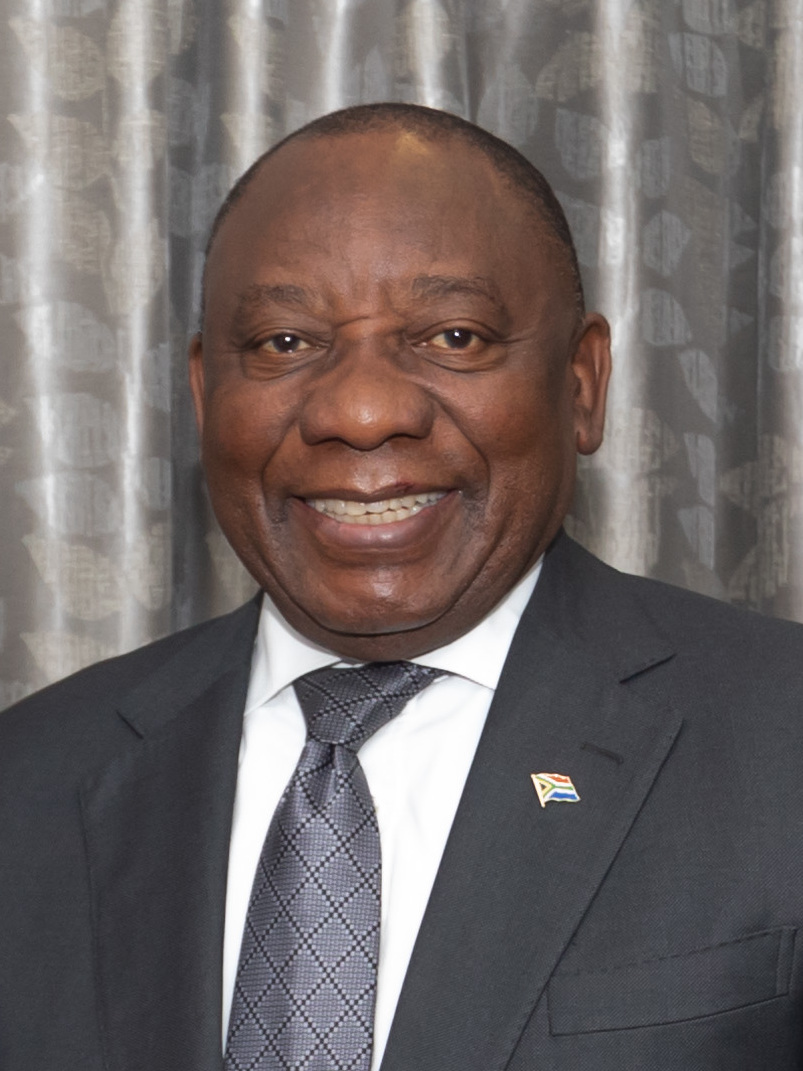
Google used the first Google Cloud Summit ever held on African soil to make a statement that goes well beyond a product roadmap: South Africa, it signalled, is now the company's launchpad for building the continent's artificial-intelligence (AI) economy. Held at the Sandton Convention Centre in Johannesburg on Wednesday, 1 July 2026, the summit drew more than 2,500 business leaders, developers and policymakers, and was officiated by President Cyril Ramaphosa. TechCabal reported the announcements, and Google Cloud's own press office and the South African Presidency confirmed the details.
What happened
Google framed the day as a shift in strategy. For two decades its African priority was expanding internet access; now, the company says, it is investing across the entire AI value chain — from cloud infrastructure and computing capacity to startup funding, university research, creator tools and workforce development. It unveiled five initiatives under a "Building for Africa" banner.
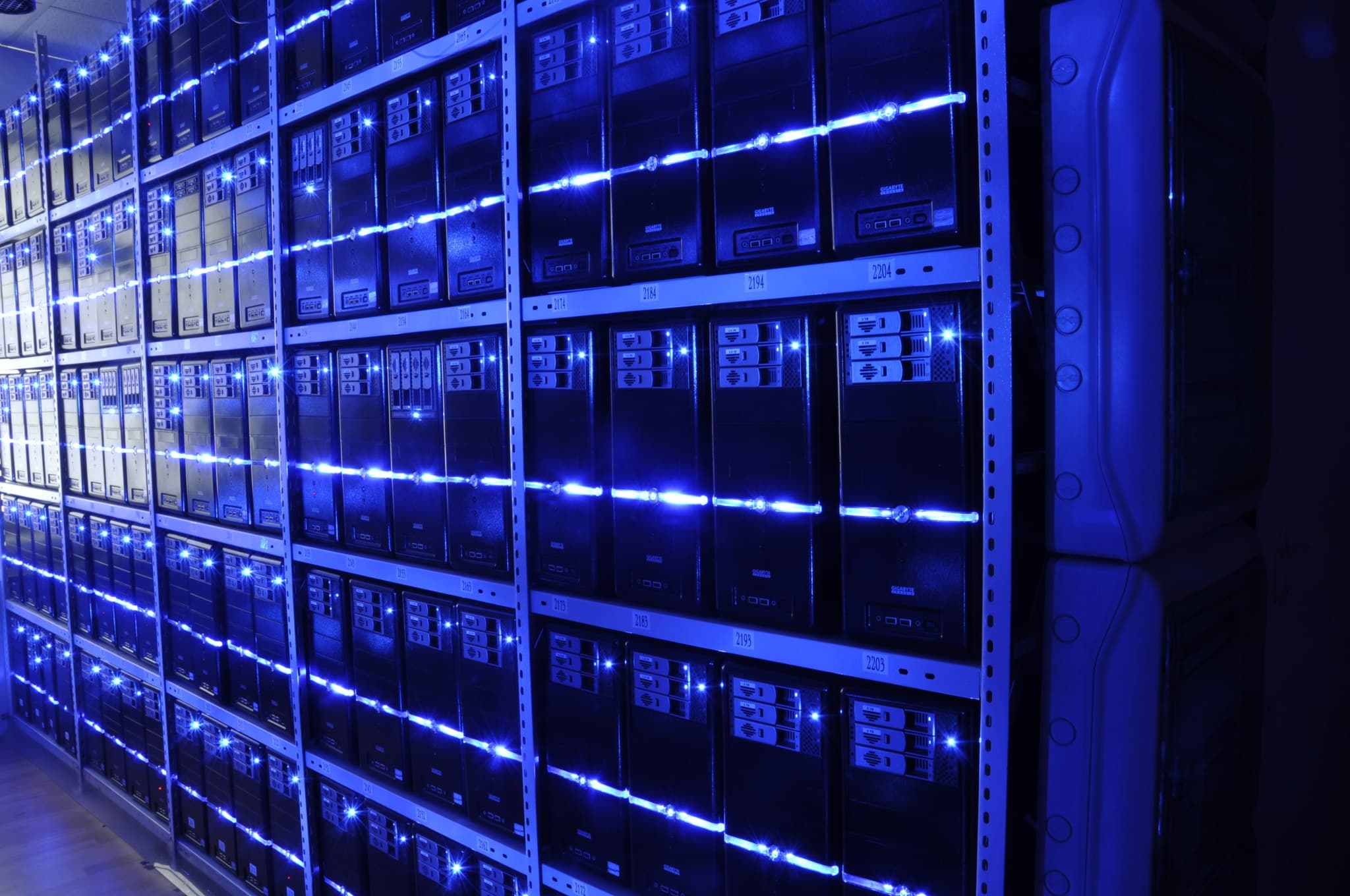
The headline item is infrastructure. Google will build a new Digital Exchange Port — a connectivity hub — in South Africa's Eastern Cape, the first of four such hubs it has committed to the continent. According to Google Cloud, the port connects Africa to Australia via its Umoja subsea cable and to India via a new subsea route, positioning South Africa as an international switching point rather than a mere endpoint.
The other four initiatives lean on talent and capital. Google announced Africa's first Applied AI Lab, based at the Accra AI Community Centre in Ghana and run with the Google AI Futures Fund, Google Research and venture partners; applications are open and close on 31 August 2026. A Google for Startups Accelerator cohort for South Africa opens for applications on 21 July 2026 and will select 15 local startups for AI-focused mentorship and equity-free funding — part of a pledge to back 50 African ventures between 2024 and 2028. Google.org is putting more than $1 million (about R17 million) behind a creative-AI education partnership with actor Idris Elba's Akuna Group, and a R3 million Digital Innovation Centre will open with WeThinkCode at a technical college in Soweto.
James Manyika, Google's senior vice-president for research, labs, technology and society, tied the package together: "We're making new investments in critical areas: infrastructure, African-led innovation, and education and skill building. From a new Digital Exchange Port in the Eastern Cape to Africa's first Applied AI lab, we're harnessing technical progress and building partnerships to amplify and scale Africa's incredible vibrancy, hustle, and innovation for the world."
Why it matters
The summit is best read as a bet on position, not publicity. Google's Johannesburg Cloud Region, launched in 2025, is the anchor: Maureen Costello, Google Cloud's vice-president for the UK, Ireland and Sub-Saharan Africa, said it is estimated to contribute $90.6 billion (ZAR 1.7 trillion) in additional gross economic output and support 314,900 jobs by 2030, with enterprises such as Vodacom, Discovery, Pepkor and Naspers already building on it.
Ramaphosa gave the announcement a national frame, casting AI as a chance to break a familiar pattern. "For far too long, Africa has had to play digital catch-up with the world's leading and most industrialised economies," he said. "We are now presented with a unique opportunity to be in the driving seat of our own industrialisation and growth." His government is courting exactly this kind of commitment: in March it launched a drive targeting R2 trillion in new investment between 2026 and 2030.
Google is not alone in the country. Microsoft said in 2025 it would add R5.4 billion to an existing R20.4 billion of South African data-centre investment, and pledged AI skilling for a million people. That concentration is the point: the compute, cables and cloud regions that AI runs on are being poured into a handful of African hubs, and South Africa is winning a disproportionate share.
The exponential-growth lens
Here is Himilo Post's reading, offered as analysis rather than reported fact. The models get the headlines, but the pipes decide the game. A connectivity hub, a subsea cable landing and a cloud region are compounding assets: each one lowers the cost and latency of everything built on top of it, which pulls in more developers, more enterprises and more data, which in turn justifies the next tranche of infrastructure. That flywheel is why a single Eastern Cape exchange port matters more than any one accelerator cohort.
But compounding cuts both ways. If the cables, compute and cloud layer are owned offshore while African founders rent capacity on top, the continent captures the application layer and exports the margin on everything beneath it — the same extractive shape that defined earlier commodity cycles, now rendered in gigawatts and gigabits. Manyika's own warning, that Africa risks a new inequality if it fails to build AI capabilities locally, is the tell. The Applied AI Lab and the accelerator are the hedge: attempts to grow homegrown builders fast enough that ownership, not just usage, accrues on the continent.
What's next
The near-term calendar is concrete. Applications for the Applied AI Lab in Accra close on 31 August 2026; the South African accelerator opens on 21 July 2026 and will name 15 startups. The Eastern Cape exchange port, and the three further hubs Google has promised, are the metrics to watch — physical infrastructure is slower and harder to reverse than a training programme, and it is the clearest signal of how serious the commitment is. The open question for African policymakers is ownership: whether the next wave of cables, data centres and cloud regions is built with enough local equity, capacity and rule-setting that the continent ends up in the driving seat Ramaphosa described — or merely a very large, very fast-growing customer.