IHS shareholders approve MTN's $6.2bn plan to buy back its towers
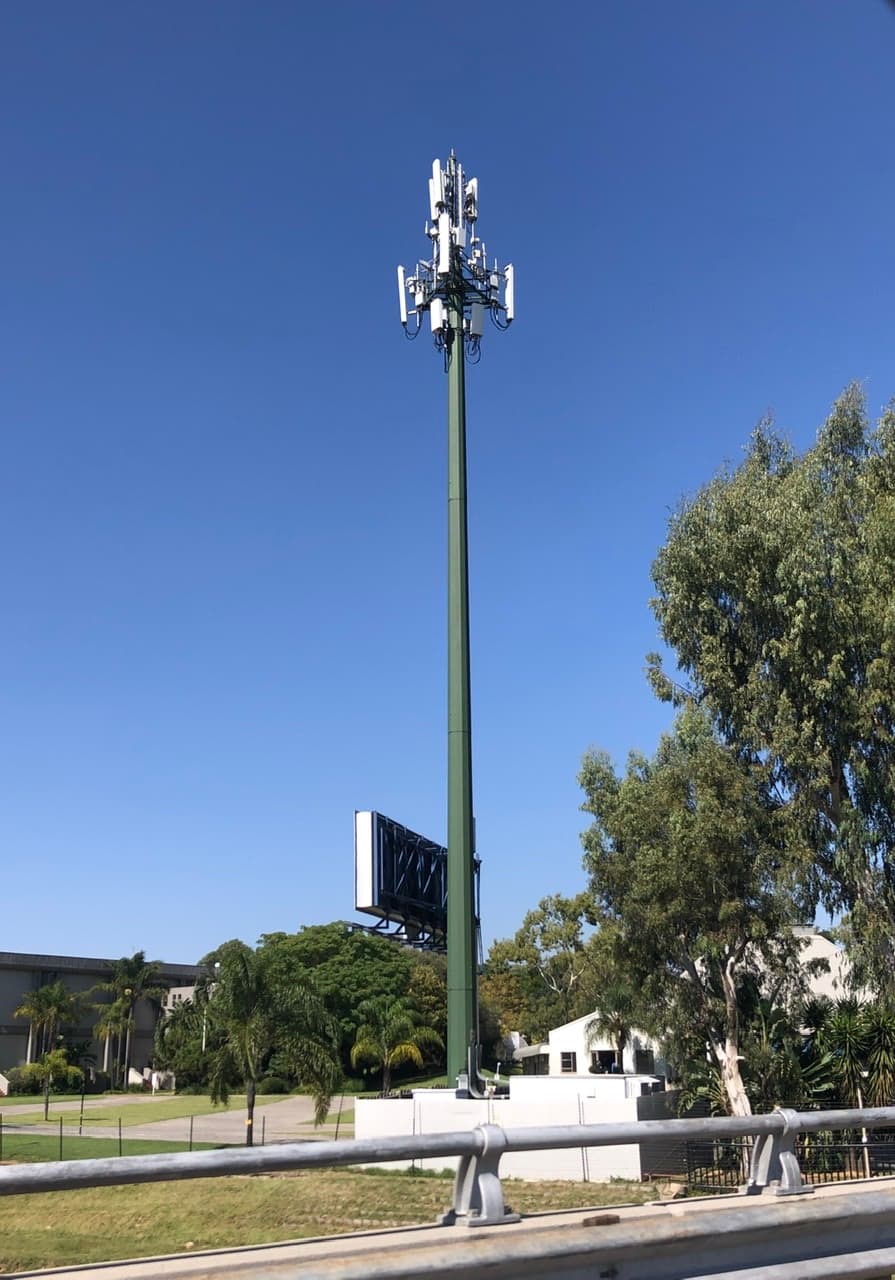
IHS Towers investors cleared MTN's bid to take full ownership of nearly 29,000 African mobile towers, reversing the tower-leasing model the industry has followed for over a decade.
For most of the last fifteen years, the received wisdom among African mobile operators was simple: sell the towers, lease them back, and put the freed-up capital into subscribers, spectrum and data networks instead of steel and diesel generators. MTN Group, the continent's largest mobile network operator, has just voted to reverse that logic at a scale no African telecom company has attempted before.\n\nOn August 4, at an Extraordinary General Meeting, shareholders of IHS Holding Limited approved MTN's proposed acquisition of the roughly 75% of IHS that MTN does not already own. According to a filing with the U.S. Securities and Exchange Commission, holders of more than 264 million ordinary shares, tallied against a July 9, 2026 record date, were represented at the meeting, and the merger resolution passed with the two-thirds majority required under IHS's bye-laws. A backup motion that would have let the board postpone the vote if support fell short was never needed.\n\nThe numbers behind the deal, first announced in February, are exact. MTN will pay IHS shareholders $8.50 in cash per share, a premium of roughly 239% over IHS's share price when the company opened its strategic review in March 2024. That works out to about $2.2 billion for the shares MTN doesn't already hold, on top of the roughly 24.7% stake MTN already owns, for a transaction enterprise value of approximately $6.2 billion. The purchase price is funded through the rollover of MTN's existing IHS stake, about $1.1 billion in fresh cash from MTN, a further $1.1 billion drawn from IHS's own balance sheet, and the rollover of IHS's existing debt — MTN has structured a newly formed entity, referred to in filings as Sub-Merger Co, to merge into IHS so that IHS becomes a wholly owned subsidiary. Completion also depends on IHS finishing the separate sales of its Latin American tower and fibre businesses, announced in mid-February, and IHS will delist from the New York Stock Exchange once the deal closes.\n\n"The approval by IHS shareholders is an important step toward completion of the transaction," said Ralph Mupita, MTN Group's president and chief executive. "Within our Ambition 2030 strategy, the three-platform strategy, towers are a critical value-creation driver that will strengthen MTN's strategic and financial position for the future, in a world where digital infrastructure and AI are becoming increasingly essential to Africa's growth and development."\n\nThe history here matters. IHS itself was built in 2001 in Nigeria on the premise that mobile operators shouldn't own their own towers — a young MTN and its rivals divested mast networks to independent "tower companies" like IHS across the 2000s and 2010s specifically to shrink capital spending and hand tower maintenance to a specialist, while operators leased back the capacity they needed. That model scaled IHS into one of the world's largest independent tower operators, with close to 29,000 sites across several African markets, serving MTN alongside rival carriers. MTN buying the whole company back — rather than simply extending its leases — inverts a two-decade industry convention, and analysts covering the deal have flagged it as a genuine reversal rather than a routine refinancing.\n\nWhy reverse course now is where Himilo's own reading of the deal comes in: towers stopped being passive coverage infrastructure the moment cloud services, edge computing and AI workloads started needing guaranteed, predictable capacity at the network edge, not just wider 2G/3G coverage. A leased tower comes with a landlord's margin baked into every lease renewal; a tower a carrier owns outright can be repurposed, densified or fitted with new equipment on the carrier's own economics and timeline, which matters more as African operators race to densify networks for 5G and AI-driven services rather than simply extend coverage into new villages. Owning the physical layer again gives MTN a cost base it controls directly rather than one set by a counterparty's own capital costs — a genuinely different bet on where the next decade of African connectivity growth actually sits.\n\nThe deal is not done. Regulatory clearance is still required in each of the markets where IHS operates, and MTN has said those approval processes are ongoing with no firm completion date yet set beyond an expectation that the transaction closes before the end of 2026. If it does close, it will rank among the largest infrastructure transactions in African telecom history, and every operator watching from Lagos to Nairobi will be re-running the same math MTN just did: whether owning the ground under the network is now worth more than the capital it once freed up to give away.