Greenpeace wants Kenya to pause Dangote's $17 billion Lamu refinery before it starts
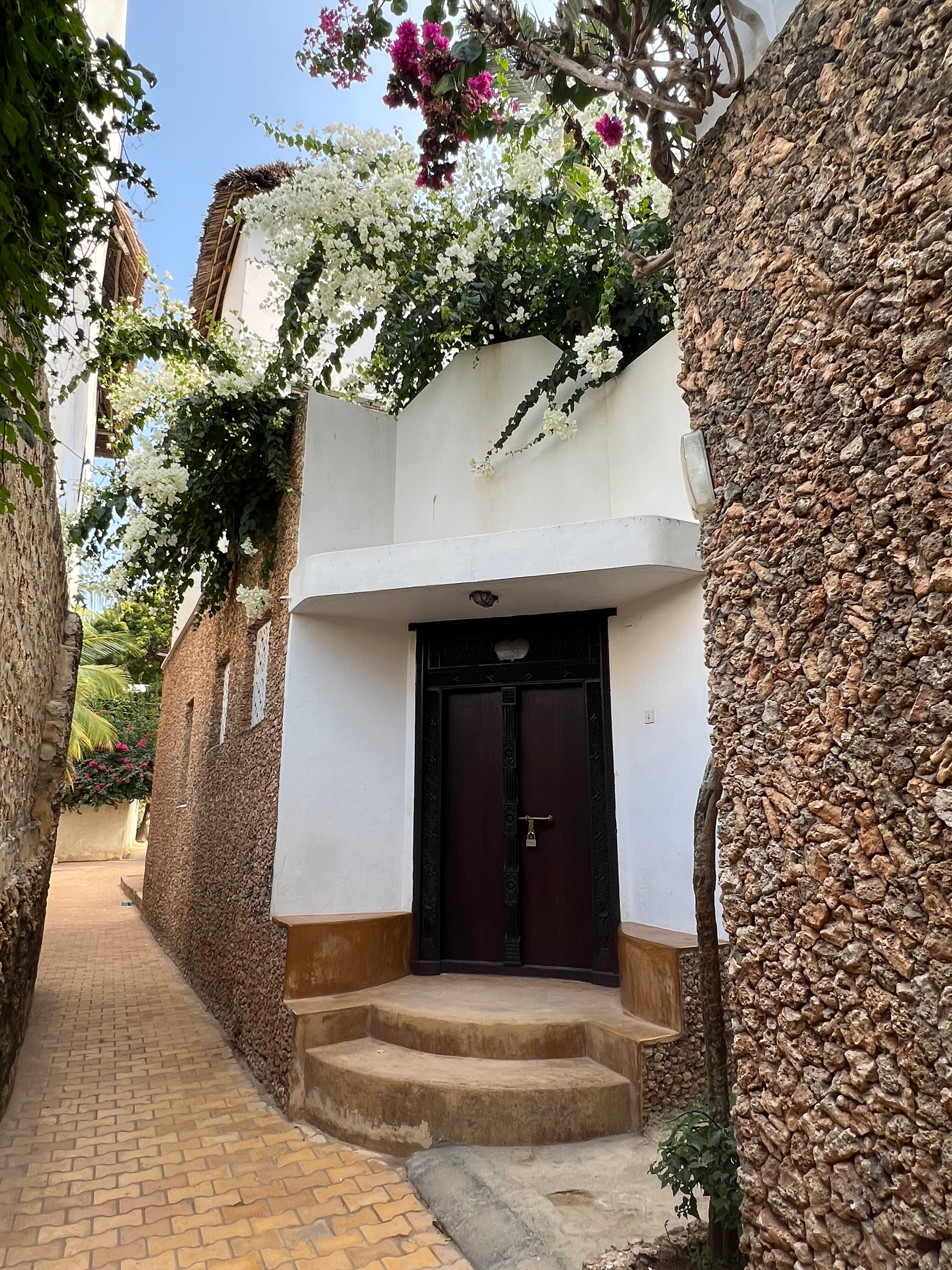
Greenpeace Africa is demanding Kenya halt approvals for Aliko Dangote's 700,000-barrel-a-day Lamu refinery until an independent environmental review is published, setting up a fight between a mega-project with presidential backing and one of the continent's most fragile coastlines.
Sixty thousand jobs. That is the number President William Ruto put on the table on July 10, standing at a podium in Lamu County to formally endorse Aliko Dangote's newest refinery. Four days later, Greenpeace Africa put a different number back on the table: zero — as in, zero administrative approvals should move forward until an independent assessment of what the project could do to the coastline is finished, published, and put in front of the public.\n\nThe project at the center of the dispute is enormous even by Dangote's standards. Devakumar Edwin, the Dangote Group's vice-president for oil and gas, confirmed on July 8 that the company has settled on Lamu — a UNESCO World Heritage island county on Kenya's northern coast — as the site for a 700,000-barrel-per-day refinery, at an estimated cost of $17 billion to $20 billion. That is larger than East Africa's entire current refined-fuel consumption of roughly 450,000 barrels a day, and it would sit at the end of a planned 800-kilometer pipeline carrying crude down from the South Lokichar Basin in Turkana County, where commercial oil production is due to begin later this year. Kenya's government has already put in seed capital: 21.5 billion shillings, or about $165 million, for a public equity stake, according to project trackers following the deal's structure.\n\nGreenpeace Africa's objection, laid out in a July 14 statement from its oil and gas campaigner Sherelee Odayar, is not that the refinery shouldn't exist somewhere — it is that Lamu specifically is the wrong place to build something this size without scrutiny first. \"Lamu's mangroves, coral reefs and seagrass beds are not expendable,\" Odayar said. \"They support fisheries, livelihoods and coastal protection. A mega-refinery of this scale brings habitat destruction, marine degradation, oil spill risk and dangerous air pollution.\" The group is calling for an immediate suspension of approvals until an independent environmental and social impact assessment is completed and released, one that accounts for cumulative effects on the ecosystem rather than the project alone.\n\nWhy Lamu, and why does it matter that it's Lamu\n\nThe island's UNESCO status is not decorative. Lamu Old Town is one of the oldest and best-preserved Swahili settlements on the East African coast, built from coral stone and mangrove timber, and the wider county's economy still runs substantially on fishing and tourism tied to that same coastline Greenpeace is trying to protect. That is the tension at the heart of this story: the refinery's backers are selling it as regional infrastructure that ends East Africa's roughly $20 billion annual fuel-import bill, while its critics are pointing at a very specific, very fragile 60 kilometers of shoreline that would absorb the industrial and shipping footprint of that promise.\n\nThe project's economics explain why Kenya is moving fast despite that tension. Dangote's own Lekki refinery in Nigeria — the same single-train design, according to project trackers, now being replicated at Lamu — took a fully operational Nigerian refining sector from near-total import dependence to a net fuel exporter within about two years of its 2024 start-up. Ruto's government wants that same trajectory for a continent-wide market: Kenya, Uganda, Tanzania, Rwanda, Burundi, the Democratic Republic of Congo, South Sudan, Ethiopia and Somalia are the eight countries Lamu is meant to serve, all of them currently paying import prices set well beyond their borders. A 700,000-barrel plant would leave roughly 200,000 barrels a day of spare capacity for export even after meeting all of that regional demand — which is exactly the kind of number that makes a project politically hard to slow down, brief environmental review or not.\n\nThe African Energy Chamber, an industry group that has previously accused Greenpeace of discouraging investment in African energy projects, is likely to frame this dispute in exactly those terms: jobs and energy security against activism that, in the Chamber's telling, asks Africa to forgo the industrial path wealthier regions already took. Greenpeace, for its part, points to a track record: its campaigns against the East African Crude Oil Pipeline pressured lenders including Deutsche Bank and Lloyds into ruling out participation, according to the financing watchdog BankTrack. Whether the same pressure works on a project with this much presidential momentum behind it is the open question.\n\nWhat a delay would actually cost\n\nKenya's government has not yet responded publicly to Greenpeace's July 14 statement. That silence is itself a data point: a project this large, with a foreign investor this prominent, does not usually get waved through quietly if the state intends to contest the request for a pause. Local reaction in Lamu itself is split, with some residents welcoming the jobs and others recalling unmet promises from the LAPSSET transport corridor the refinery is meant to plug into — a reminder that mega-projects on this coast have disappointed before construction even started.\n\nWhat happens next will likely turn less on the science than on the calendar. Front-end engineering work and site surveys are already under way at Lamu, according to project-tracking reports, which means every week without a published assessment is a week the physical footprint of the decision gets a little harder to reverse. Himilo Post's read: the real story here is not whether Kenya needs the fuel security — it plainly does — but whether \"we'll study it as we build it\" survives contact with a UNESCO coastline and a campaign group with a recent win on its resume. A independent assessment that comes after ground has already been broken is not really independent scrutiny; it's a formality with the outcome already decided by the bulldozers.
