Visa and M-Pesa turn DR Congo into Africa's live lab for stablecoin-settled mobile money
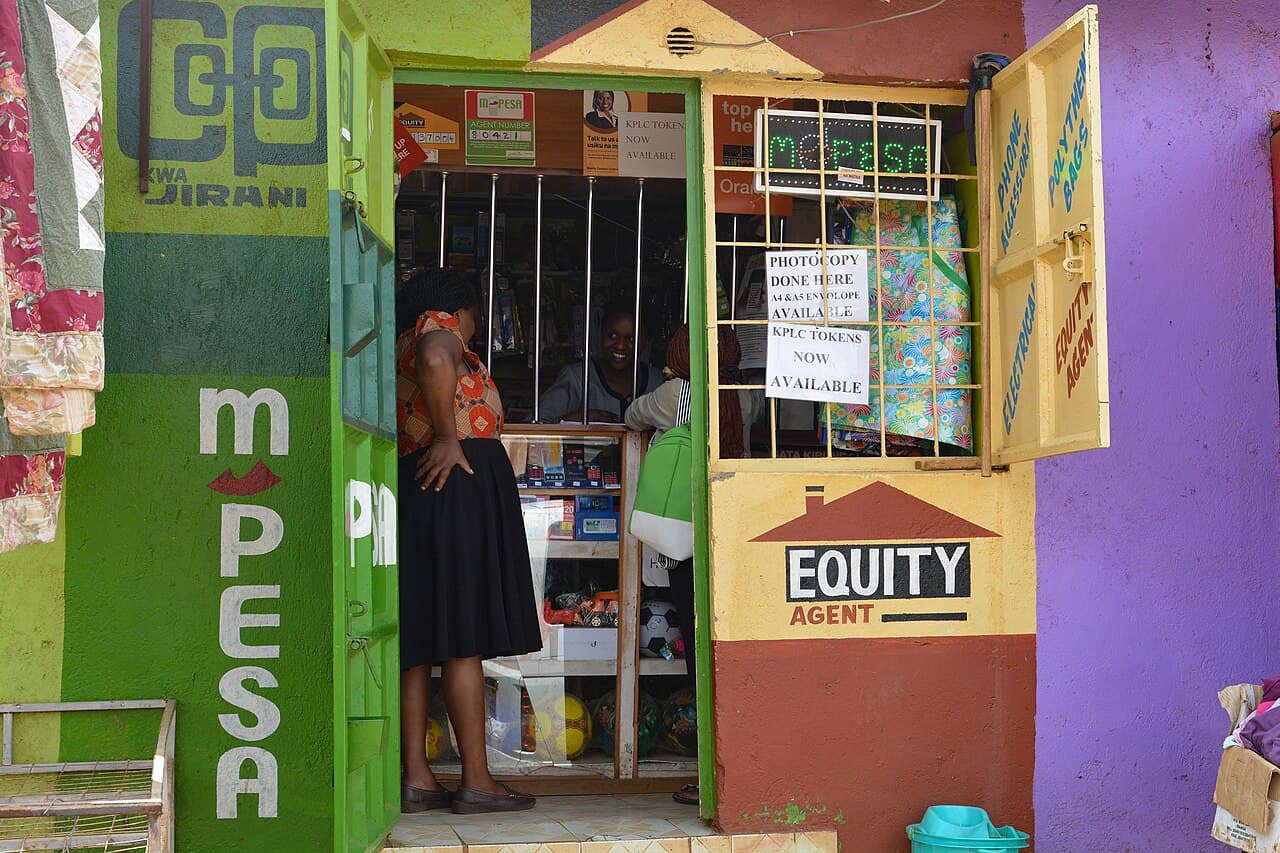
Visa, M-Pesa and pan-African payments network Onafriq are piloting a system in the Democratic Republic of Congo that settles mobile money top-ups with stablecoins in the background — users see nothing change, but the dollar rails underneath their wallets just moved onto a blockchain.
The most consequential changes in payments are usually the ones users never see. This week, the settlement layer beneath Africa's most famous financial product quietly moved onto a blockchain — in one of the continent's most cash-scarce, dollar-hungry markets.
What happened
Visa, M-Pesa and Onafriq — the pan-African payments network that connects hundreds of mobile wallets across the continent — are piloting a system in the Democratic Republic of Congo that settles mobile money top-ups using stablecoins, The EastAfrican reported this week. The pilot runs through Visa Pay, the wallet-interoperability service Visa and Onafriq launched in the DRC in September 2025, which links bank cards with M-Pesa, Airtel Money and Orange Money wallets.
The customer experience does not change at all. "As you top up your M-Pesa wallet, the transaction is settled in stablecoins in the background," Visa said in its statement on the pilot. According to Ecofin Agency's reporting, that background settlement runs in USDC, the dollar-pegged stablecoin — meaning the value behind a Kinshasa wallet top-up can move over a blockchain in minutes rather than crawling through correspondent-banking chains.
"Mobile money has done a tremendous job and been widely adopted domestically in many markets," said Godfrey Sullivan, Visa's senior vice-president and head of solutions. "However, cross-border remittance challenges are still significant and are yet to be solved. I think stablecoins present an opportunity and will be adopted by banks, fintechs and mobile network operators."
Why the DRC — and why it matters
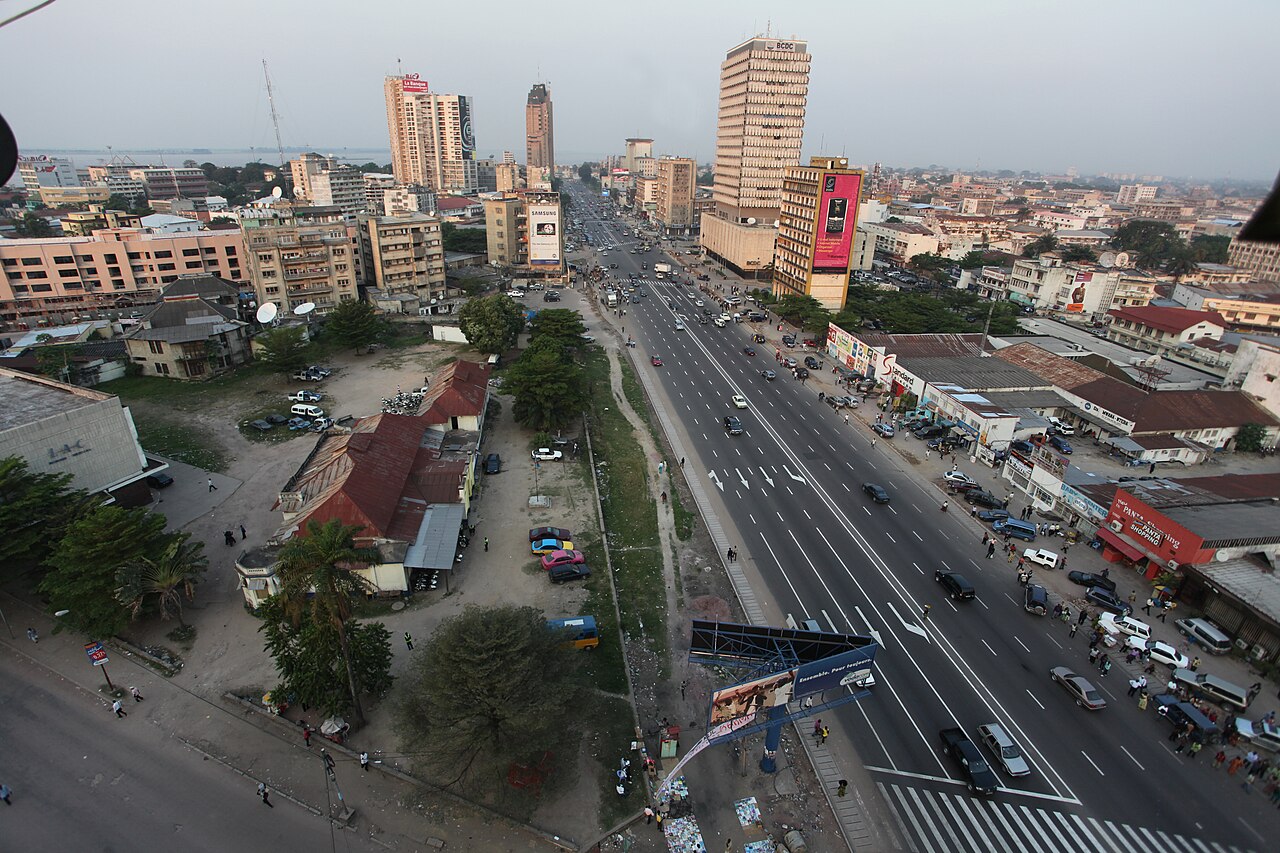
On paper, the Democratic Republic of Congo is an unlikely fintech laboratory. In practice it is close to a perfect one. The country has roughly 100 million people, and only about 30% of adults have access to formal financial services, according to Financial Sector Deepening Africa. Its economy is heavily dollarised — central bank governor André Wameso has put foreign-currency-denominated transactions at around 80% — and its mobile money market is compounding fast, with GSMA-based projections cited by Ecofin Agency putting 2025 transaction value at $3.85 billion, growing at roughly 19% a year. Where formal banking is thin, wallets are the financial system — and a settlement rail that moves dollars cheaply is not a crypto novelty but core infrastructure.
The prize is the corridor cost. Moving money across African borders can still cost in the region of 8% of the transfer. Every point shaved off that number is money that stays with traders, families and small businesses.
The exponential-growth lens
Our read: this pilot matters less for what it does today than for the pattern it sets. Mobile money conquered Africa by hiding complexity — nobody using M-Pesa in 2007 needed to understand SIM toolkits. Stablecoins are now following the same adoption curve: invisible at the settlement layer first, consumer-facing later, if ever. The regional pull is already measurable — sub-Saharan Africa saw roughly $205 billion in on-chain value in the year to June 2025, with stablecoins making up about 43% of that volume, according to figures cited by Ecofin Agency, and Onafriq itself announced a USDC treasury integration with US platform Conduit in February. When the settlement layer of a network the size of M-Pesa's gets faster and cheaper, the gains compound through every corridor, agent float and merchant payout built on top of it. This is Himilo Post's analysis: the DRC pilot is the template, not the destination.
What's next
Three things to watch. First, graduation: whether the pilot expands from wallet top-ups to merchant settlement and business-to-business flows, where the real volume lives. Second, geography: Visa and Onafriq's Visa Pay footprint gives them a ready-made expansion map across the continent's wallet markets. Third, the regulatory posture — dollar-settled rails in dollarised economies will force central banks to articulate stablecoin rules faster than they had planned. Africa built the world's leading mobile money system on rails the world had written off. It may now be first to rebuild those rails on-chain — without its users ever noticing.