An Egyptian lab is betting the fridge is what's been holding African diagnostics back
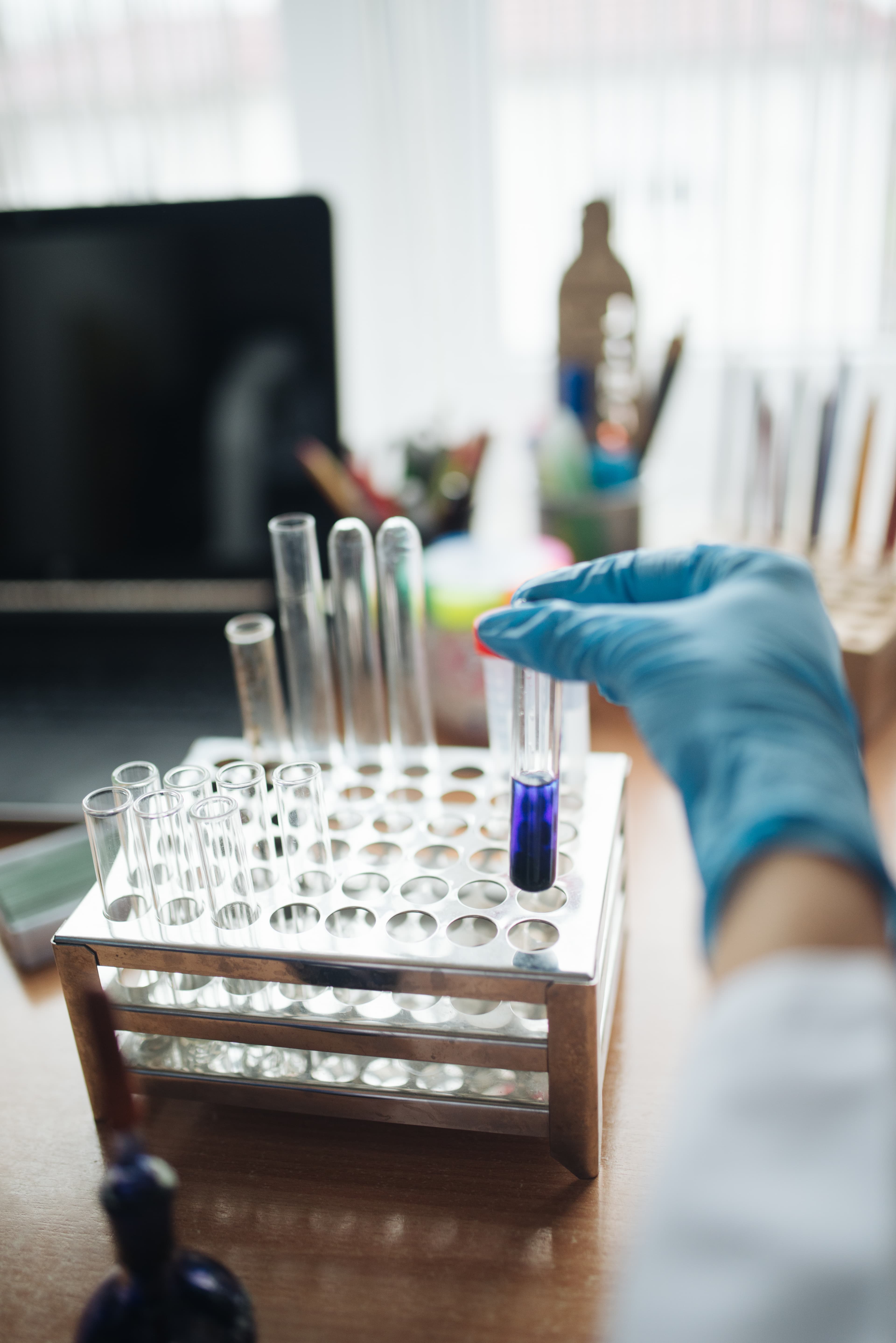
Cairo-based Reme-D has raised $1.45M to scale heat-stable molecular diagnostic kits that need no refrigerated cold chain, a fix aimed squarely at the infrastructure gap that delays disease detection across Africa.
A patient in a rural clinic often waits days for a TB or HIV result not because the science is slow, but because the sample has to survive a journey through heat, dust, and unreliable power before it ever reaches a lab equipped to read it. Reme-D, a Cairo-based molecular diagnostics company, has spent three years building tests designed to survive that journey without a cold chain at all.\n\nThe company has closed a $1.45 million pre-Series A funding round led by Anara Impact Capital, with the Global Innovation Fund, Africa Health Ventures, and other backers joining, according to Launch Base Africa's July 20 report. The story was independently corroborated by Techpoint Africa affiliate technext24, Egypt's own EgyptInnovate portal, and TechInAfrica, all citing the same investor lineup, funding amount, and use of proceeds; entArabi additionally carried on-record quotes from founder Salma Tammam and Anara's Mohamed Hussain, matching word for word across outlets that did their own independent write-ups rather than syndicating a single wire.\n\nFounded in 2023, Reme-D develops freeze-dried, temperature-resistant molecular diagnostic kits for tuberculosis, HIV, hepatitis, and human papillomavirus, the last a leading cause of cervical cancer. The company says it has commercialised 30 diagnostic products and supplied more than 550,000 tests across Egypt, Kenya, and Sudan since founding, a self-reported figure not independently audited but consistent across every outlet that covered the raise. Reme-D has also filed a US patent application covering its stabilisation technology, and its tests have been cited in international scientific publications, according to the company.\n\nWhy the cold chain is the real bottleneck\n\nMost molecular diagnostics rely on reagents that degrade above refrigerator temperatures, which forces health systems to either centralise testing in cities with reliable power (adding days to results while a sample travels) or invest heavily in cold-chain logistics that many public health budgets in Africa simply cannot sustain. Reme-D's kits work with standard PCR equipment already installed in regional labs but remain stable at ambient temperature, which removes the refrigerated transport and storage step entirely. In one demonstration of that durability, the company built a solar-powered mobile laboratory commissioned by the World Health Organization's Egypt office to help the Ministry of Health monitor vector-borne diseases in remote areas without grid power, according to both Launch Base Africa and technext24's independent reporting.\n\nThe new capital will fund a move to a 1,500-square-metre production facility, a tenfold increase in manufacturing capacity, and an expanded headcount from roughly 50 employees, alongside new tests for genetic diseases and certain cancers. Reme-D also plans to pursue the regulatory certifications needed to sell into public tenders and multilateral procurement channels, the harder and slower work of actually reaching the ministries of health that could deploy this at scale.\n\nA moat worth watching, not yet proven\n\nHere is where Himilo's own read comes in, separate from Reme-D's reporting: heat-tolerance is a genuine differentiator against multinational diagnostics makers whose kits largely still require cold storage, and it plays directly to a climate reality that will only intensify. But building 30 products and shipping 550,000 tests in three years is a different achievement from winning a government tender against entrenched, better-capitalised competitors — that path runs through country-by-country regulatory approval, a slog that has stalled promising African health startups before. The company's own framing of its ambitions (equitable access, no patient turned away for lack of refrigeration) is the right goal; whether the certifications land is the test that will actually decide whether this scales past its current three-country footprint.\n\nFor a continent where an estimated one in three clinics still lacks reliable electricity, a diagnostic test that simply does not need a fridge is a small piece of infrastructure doing an outsized amount of work.